Lessons From a Failed Retail Startup: What Investors Can Learn From Capital Mismanagement

Failure is an inevitable part of entrepreneurship, yet many investment failures provide valuable lessons about financial discipline and operational planning. One such case involves a retail startup that attempted rapid expansion without establishing sustainable financial controls. 참조: 창업투자닷컴 www.changuptuja.com The company initially launched as an online fashion brand targeting urban 더보기


After Failure: How a Founder Rebuilt a Fintech Startup With Stronger Financial Discipline

Three years ago, a fintech payment platform expanded too aggressively into multiple regions without fully validating local regulatory requirements. Capital burn accelerated, compliance costs surged, and the company was forced into restructuring. 참조: 창업투자닷컴 www.changuptuja.com The founder, instead of exiting the industry, restructured operations around profitability first. Geographic expansion was 더보기

Founder Interview: Building a Profitable Renewable Materials Startup in a Volatile Supply Chain Environment

When Sofia Alvarez launched her renewable construction materials company four years ago, she didn’t start with a grand environmental vision. She started with a pricing problem. Traditional construction inputs were becoming more volatile, and mid-sized developers were looking for stable alternatives that wouldn’t erode project margins. That gap created the 더보기

Case Study: When Rapid Growth Becomes a Liability

A tech-enabled delivery startup once celebrated for tripling revenue in under a year ultimately collapsed under its own expansion pace. Investors were initially attracted to impressive top-line growth, but operational costs quietly outpaced gross margin improvements. 참조: 창업투자닷컴 www.changuptuja.com The company expanded into multiple cities simultaneously without achieving profitability in 더보기

Interview Insight: What Angel Investors Actually Ask Before Writing a Check

When evaluating early-stage businesses, experienced angel investors rarely begin with product features. Instead, they focus on founder decision-making patterns, capital discipline, and downside planning. 참조: 창업투자닷컴 www.changuptuja.com In conversations with several active angel investors across North America and Europe, three recurring evaluation themes emerged: clarity of unit economics, realistic customer 더보기

What Experienced Investors Look For Before Funding Early-Stage Businesses

Seasoned investors often emphasize that successful investing is less about finding perfect opportunities and more about avoiding predictable mistakes. One recurring lesson across early-stage investments is that founder execution capability frequently outweighs initial product strength. 참조: 창업투자닷컴 www.changuptuja.com Experienced investors typically examine three areas closely: unit economics, operational scalability, and 더보기

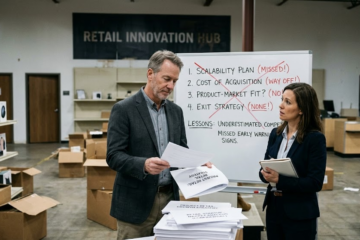
Lessons From a Failed Retail Startup: What Early Investors Missed

Not every startup pitch translates into sustainable returns. A direct-to-consumer apparel brand that raised nearly USD 5 million in seed funding just three years ago recently entered liquidation after aggressive expansion outpaced unit economics. http://www.changuptuja.com참조: 창업투자닷컴 Early investor enthusiasm was driven by strong social media engagement and rapid revenue growth 더보기

Founder Insight: Building a Sustainable Packaging Startup in a Cost-Sensitive Market

Founder Interview Article Founder Insight: Building a Sustainable Packaging Startup in a Cost-Sensitive Market When Daniel Meyer launched his biodegradable packaging startup three years ago, he expected environmental awareness to drive immediate adoption. Reality turned out more complex. Businesses cared about sustainability, but cost remained the dominant factor. http://www.changuptuja.com참조: 창업투자닷컴 더보기

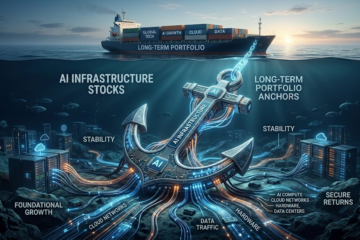
Why AI Infrastructure Stocks Are Quietly Becoming Long-Term Portfolio Anchors

Investment Analysis Article Artificial intelligence is no longer just a technology trend. It has rapidly evolved into an infrastructure industry, similar to electricity, telecom networks, or cloud computing during earlier technological revolutions. What makes this shift particularly interesting for investors is not the flashy AI applications, but the underlying companies 더보기