Over the last two years, artificial intelligence has dominated headlines, but the real capital cycle is shifting beneath the surface. Investors are beginning to differentiate between speculative AI application layers and the underlying infrastructure required to support large-scale industrial deployment. While retail attention remains focused on consumer-facing AI tools, institutional capital appears increasingly directed toward industrial AI infrastructure, including edge computing hardware, factory automation integration systems, and industrial data processing platforms.
참조: 창업투자닷컴 www.changuptuja.com
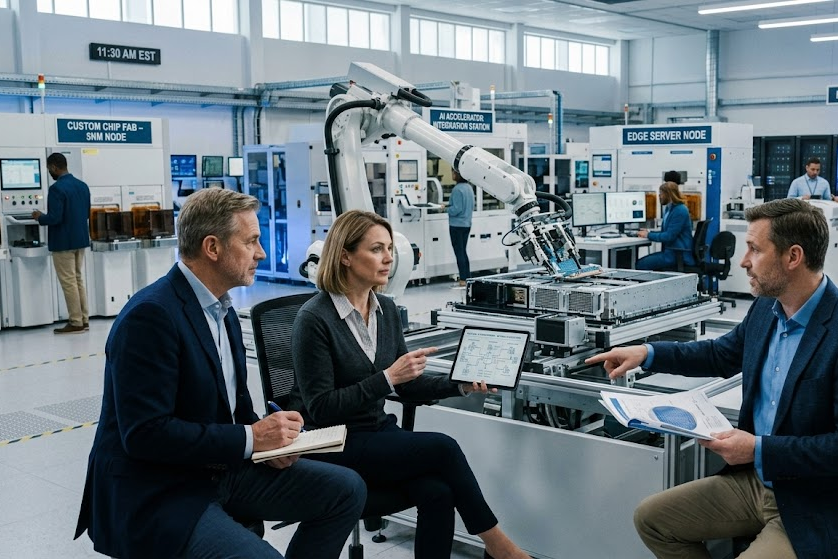
Industrial AI differs fundamentally from consumer AI platforms. In manufacturing, logistics, energy, and construction, artificial intelligence is being deployed to optimize predictive maintenance, quality control, robotics coordination, and energy efficiency. Unlike social media AI tools that depend on user adoption cycles, industrial AI implementation typically involves multi-year procurement contracts and integration partnerships. This creates a different revenue profile—one that tends to be less volatile and more contractually anchored.
Recent capital expenditure data from major industrial conglomerates suggests that automation and AI integration budgets have increased between 18% and 27% year-over-year in several developed markets. These investments are not driven by hype but by labor shortages, productivity pressures, and cost containment strategies. As demographic shifts reduce the available industrial workforce in many economies, automation becomes less optional and more structurally necessary.
For investors, this creates an interesting framework. Companies supplying AI-enabled inspection systems, edge computing processors, industrial sensors, and automation software may experience sustained demand independent of broader tech market sentiment. Backlogs in certain robotics segments have extended beyond 12 months, suggesting that supply constraints—not demand weakness—are currently the limiting factor.
However, industrial AI infrastructure remains capital-intensive. Margins can fluctuate based on raw material costs and global manufacturing cycles. Additionally, implementation timelines in large enterprises often extend longer than expected, which can temporarily pressure quarterly earnings. Investors evaluating this theme should focus on balance sheet strength, backlog growth, recurring service revenue ratios, and exposure to diversified end markets.
Long-term, the industrial AI cycle resembles previous waves of digital transformation. The companies enabling core infrastructure often benefit from durable revenue streams long after speculative enthusiasm fades. While price volatility remains possible in the short term, structural adoption drivers appear increasingly embedded in operational strategy across industries.
#IndustrialAI #InfrastructureInvestment #AutomationGrowth #LongTermCapital #ManufacturingTech




0개의 댓글